
How to ID a Tree
10 key steps to identifying any tree

What experienced tree spotters always look for
Whether you are a complete beginner or looking to sharpen your botanical skills, identifying indigenous South African trees can feel like a massive puzzle. But you don’t need to be a botanist to identify a tree, just observant, and a little bit curious.
To help you, here are the 10 things experienced tree spotters look for when identifying a tree.
Is it the best tree to identify?
Before you Begin
First, make sure you’re looking at the best possible specimen, this makes identifying a tree much simpler.

Choose a tree that’s:
- A mature tree rather than a young plant
- Capable of growing more than 3 metres tall
- Growing naturally in the landscape.
Trees growing in parks or gardens can look very different from those growing naturally because of watering, pruning, soil conditions and fertilisers.
Where is it growing?
Look at your map
Before you even look at a leaf, pod, root or flower, look at your map. Many South African trees are highly regional and only grow naturally in specific biomes or climates.

TheTreeApp tip: If you are in a natural area, select your location first using the interactive map, a reserve list, or your device’s live GPS. This instantly filters out hundreds of impossible matches and saves you precious time.
The ‘common-tree’ rule
Scan your surroundings

Expert spotters always scan the surrounding area to see what is numerous. Common trees are statistically much easier to identify and provide a fantastic baseline for learning the local flora. Do not start with the rarest-looking outlier in the forest; master the dominant species first.
Scan the whole tree first
Take a step back

Step back and look at the entire tree first. It’s tempting, but don’t get immediate tunnel vision on a single leaf. Can you see bright flowers, heavy fruit clusters, or massive thorns from a distance? Getting a holistic view of the tree’s silhouette and major features gives you immediate, high-value clues.
Look at overall size and structure
Thorns
Next, take a moment to look at the tree’s growth form and it’s plant type.
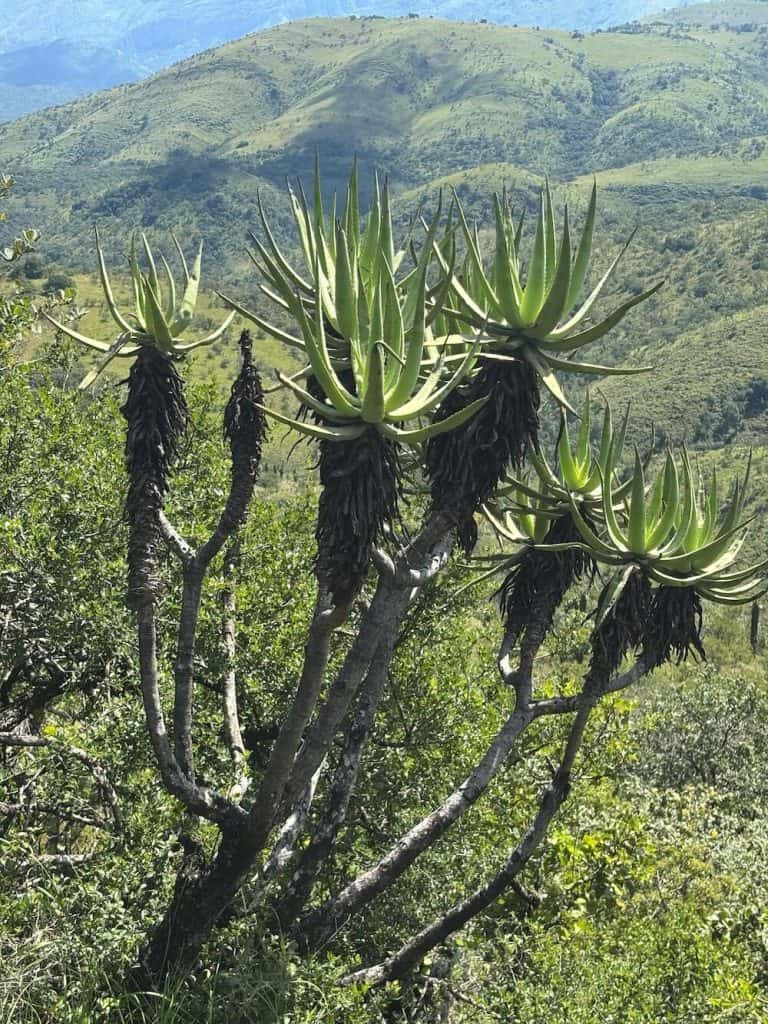
- Does the plant have an unusual or distinctive growth form?
- Is it a standard upright tree, a multi-stemmed shrub, a fleshy succulent, or a climbing woody vine?
- Is the crown rounded, umbrella-shaped, narrow, spreading, irregular
TheTreeApp tip: Filter by growth form right away if it is a succulent or a climber to drastically reduce your search pool.
Are there any standout or unusual features?
Stand out from the crowd
If a tree has bright green bark, massive pods, or milky sap, do not start with the leaf shape. Start with the anomaly! The more unique the clue, the easier it is to narrow down the tree’s identity.
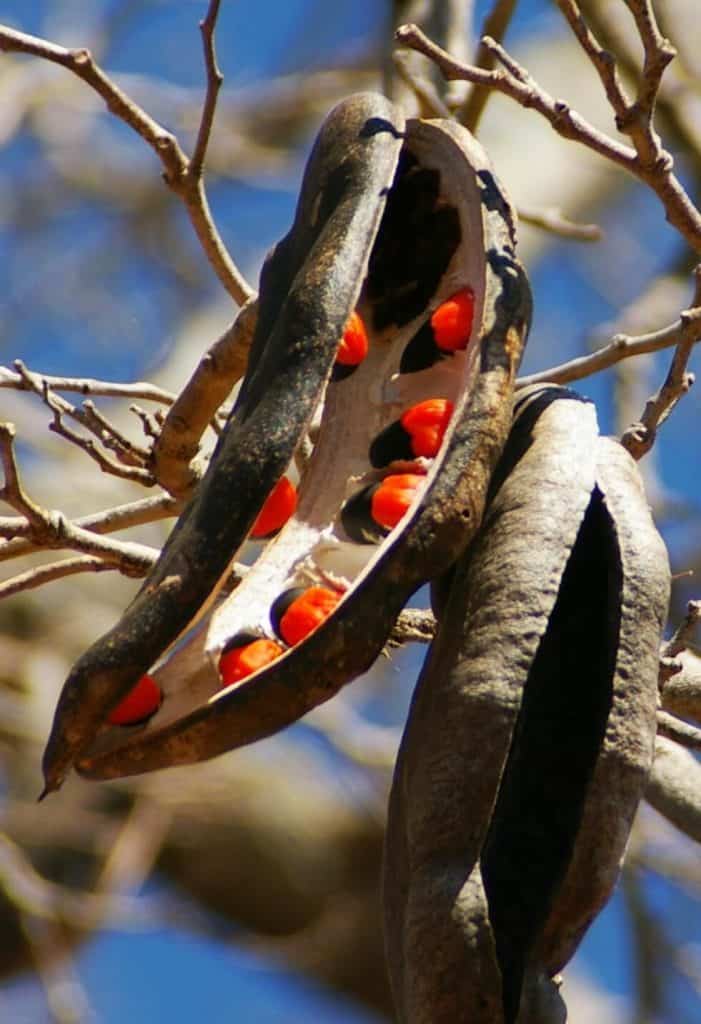
Are there thorns, spines, or prickles?
Be aware
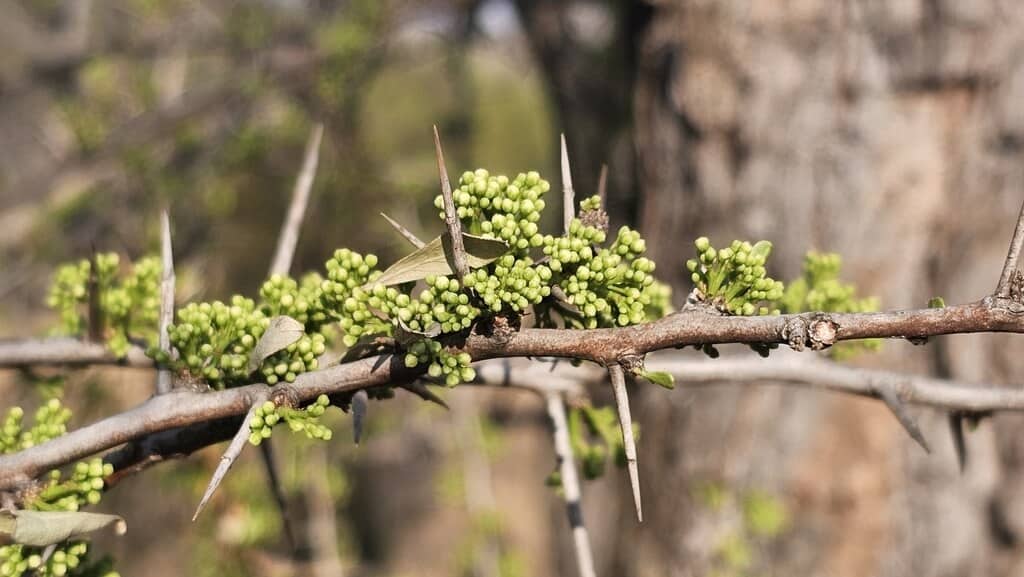
Thorns are fantastic diagnostic tools. Noting the presence (and style) of thorns will immediately rule out large families of trees.
- Check the leaves, branches, and the main trunk.
- Are they straight, hooked, paired, or swollen?
Some species even have two different types of thorns on the same branch. Simply confirming that a tree has no thorns can eliminate many possible species.
What is its leaf type and arrangement?
Looking at leaves

Leaves are usually the most reliable feature for identifying trees, but they can be variable. If you only look at one leaf, you might accidentally pick a mutated, damaged, or unusually large one. Experienced spotters examine a few leaves across different branches to get an idea of the tree’s “average” leaf profile before starting the identification process.
Once you zoom in on the foliage, ask yourself two critical questions:
- Are the leaves simple (one blade per stalk) or compound (divided into multiple leaflets)?
- How large are they?
- How are they arranged on the branches? Are they opposite each other, alternating, clustered, whorled or in rosettes?
What are micro details of the leaf?
Take a closer look
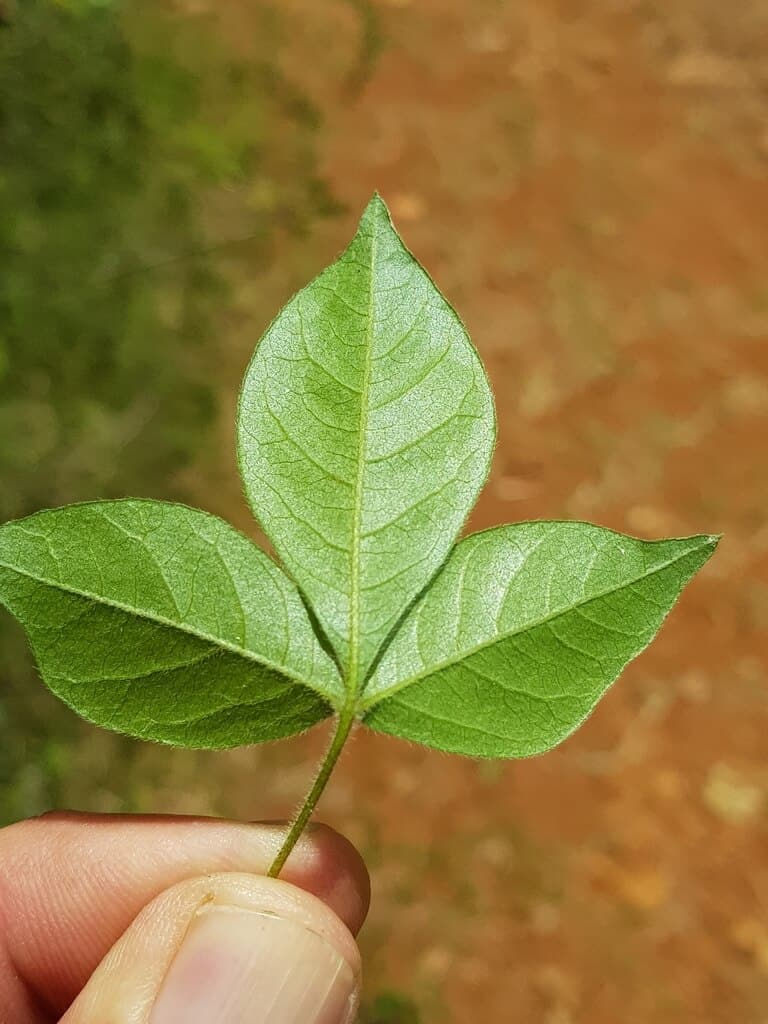
Take a few leaves that represent the majority of the tree and analyse the finer details. Use an average-sized specimen to check:
- What shape are the leaf tip and base?
- Are the margins (edges) smooth, toothed, or wavy?
- Is there a single midrib vein, several major veins from the base, arranged in a parallel or herringbone pattern?
- What colour are the leaves?
- What length and texture is the leaf stalk (petiole)?
Each of these details might seem minor, but put them together and they dramatically narrow down the list of possible species.
Flowers, fruit and seeds
Seasonal clues
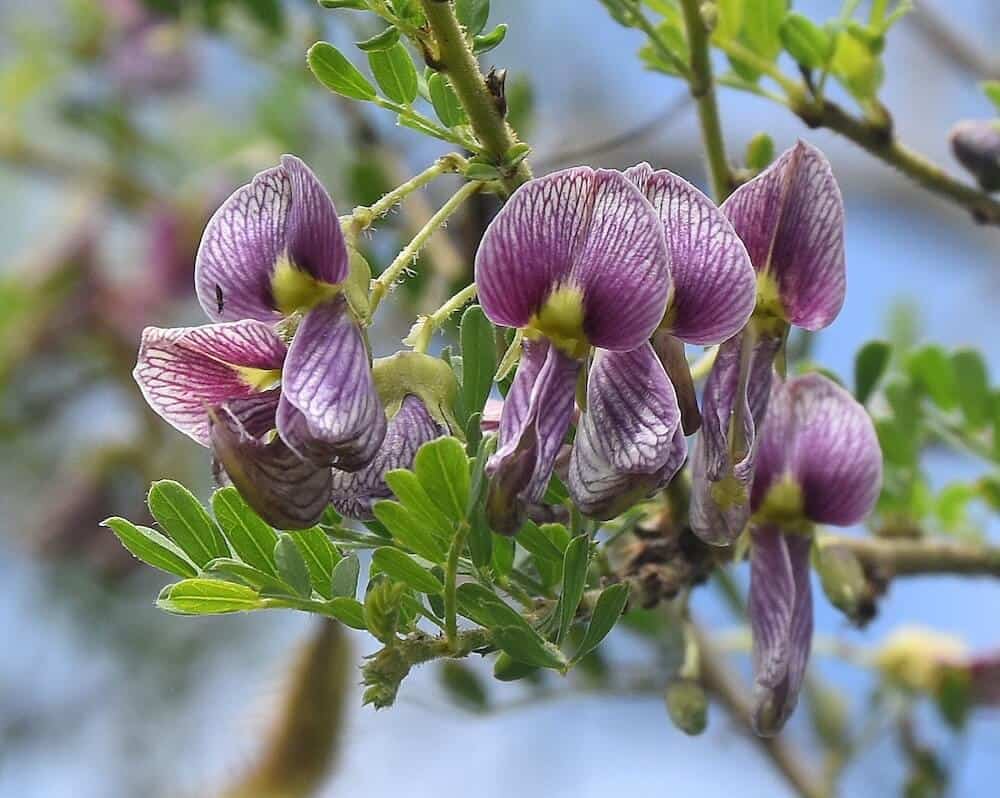
If the tree is flowering, or in fruit you have an excellent, high-value identification clue. While both are highly seasonal, if present, they can provide the single most obvious and unmistakable clue to a tree’s identification.
When looking at individual blooms or fruit, break your observations down into these specific physical traits:
- What colour is it? Note: that while most tree flowers are white or yellow, noting the colour still instantly eliminates many possibilities.
- How are the flowers arranged? Are they single flowers, dense spikes, tight balls, or fluffy pincushions?
- What shape is it? Examine an individual bloom: Is it star-shaped, rounded, bell-shaped, or tube- or trumpet-shaped? For fruit: Is it round, oval, elongated, kidney-shaped, winged, or multi-part?
- What texture is the fruit? Feel the outer layer. Is it fleshy, hard-skinned, woody, or dry and papery?
- Does the fruit have noticeable surface features? Look for standout anomalies. Is the surface hairy, velvety, sticky, spiky, or covered in bumps or knobs?
Field tip: Timing is everything. Always examine a recently ripened fruit. Old, weathered fruit found on the ground can shrink, decay, and completely change shape, which can easily lead you down the wrong identification path.
Why trees are tricky
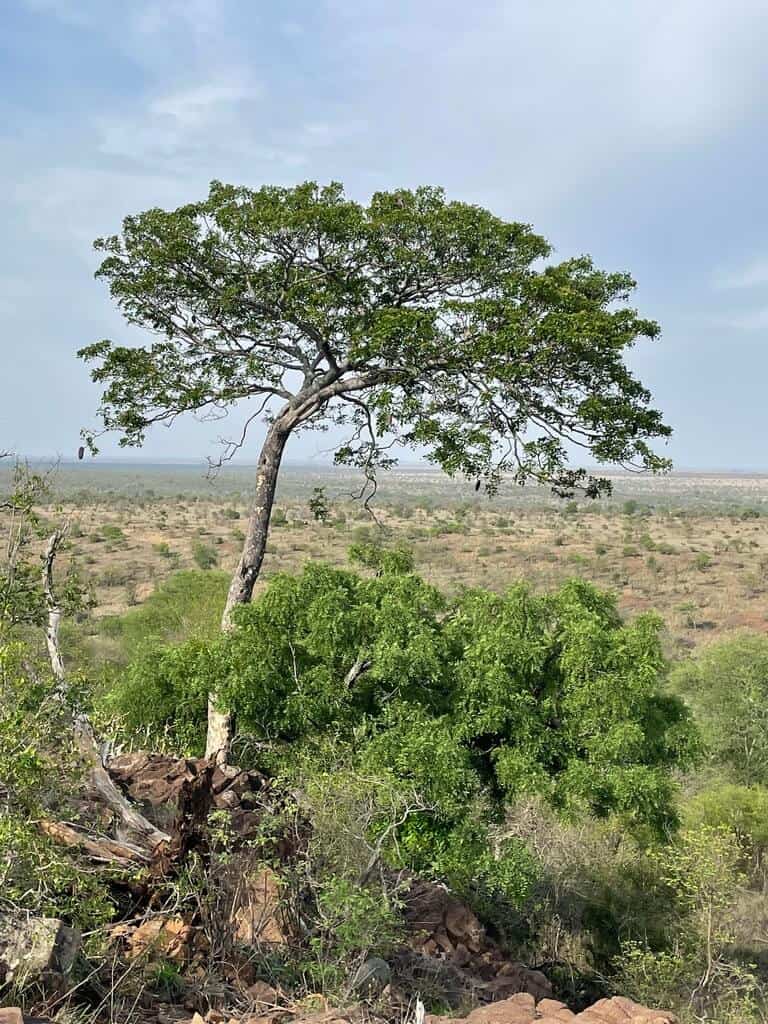
A single tree species can look completely different depending on its age, whether it is near a water source, or if a hungry kudu chewed it last week. Throw in seasonal changes, variable leaf sizes and it is easy to see why tree ID can stump even the pros.
The more clues, the better
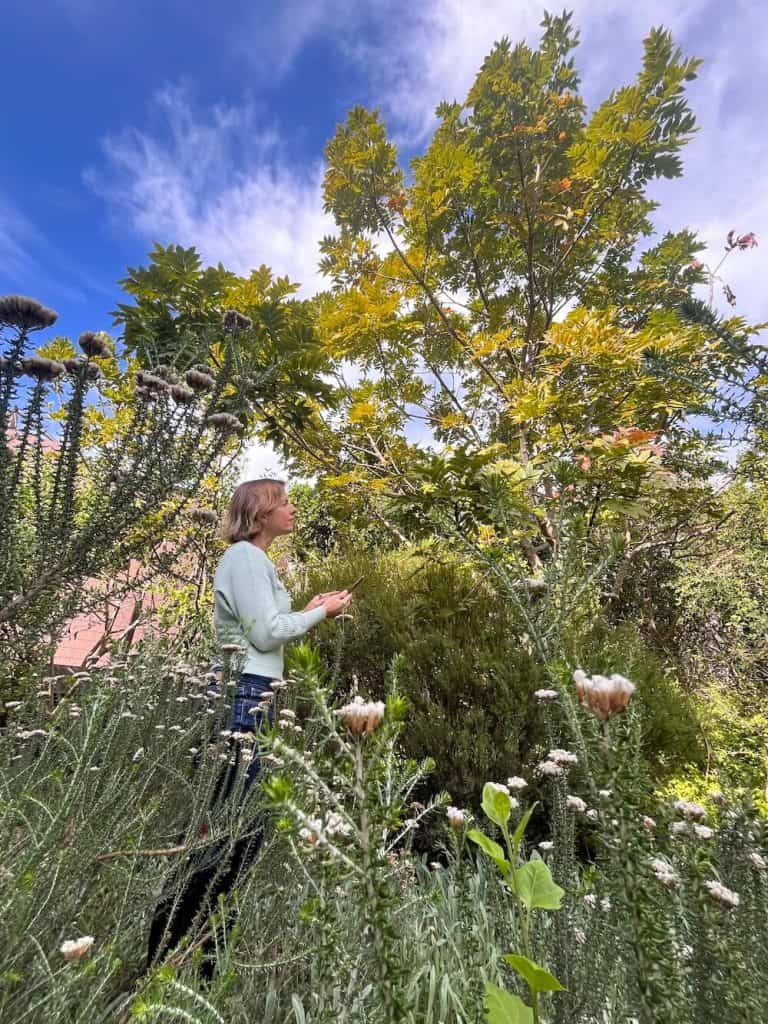
Never rely on just one feature. If you look only at a leaf shape, you might get lost in a sea of lookalikes. But if you combine that leaf shape with the bark texture, the presence of thorns, and your exact geographic location? Now you are getting somewhere. The more clues you gather, the more accurate your results will be.

We do the matching
You do not need to be a master botanist or flip through heavy textbooks to solve the mystery. With TheTreeApp, you simply input the clues you can see, in whatever order you see them. Our powerful, intuitive algorithm does the matching for you, filtering through hundreds of indigenous South African trees in seconds. It is like having a tree expert in your pocket!